🟢 Introduction
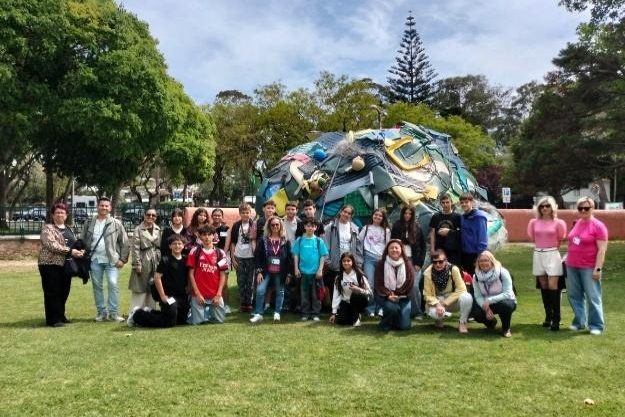
Between 20th and 24th April, we welcomed our partners from Poland, Croatia and Türkiye. During this second mobility, alongside teachers, we were also delighted to host four students from the participating countries, as well as students from the Portuguese School Grouping, who warmly welcomed, participated and interacted with their international peers. This mobility provided an enriching opportunity for cultural exchange, environmental awareness and the strengthening of friendships across borders.
🌱 20th April – Welcome, Ice-Breaking Activities and Sustainable Workshops
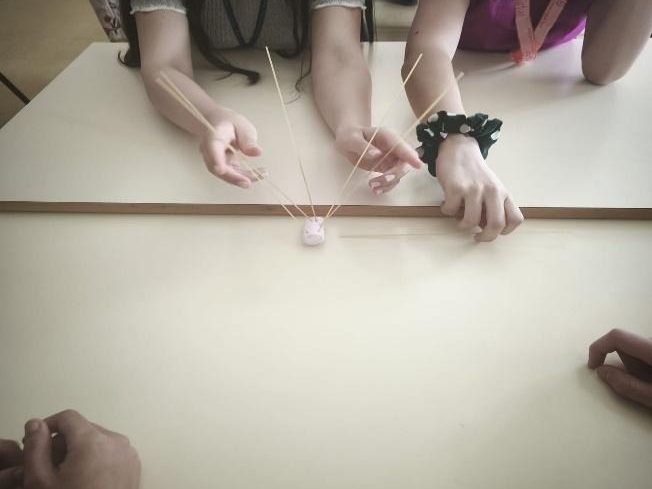
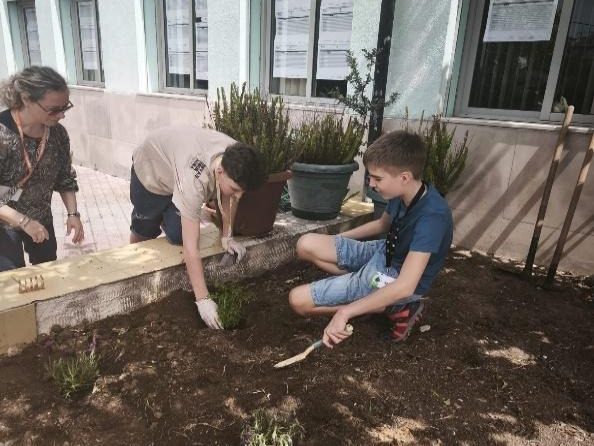
In the morning, our partners and students from Poland, Croatia and Türkiye were welcomed by two students from the Vocational Tourism Course, who guided them on a tour around the main school building, followed by a welcome snack. Afterwards, several ice-breaking activities were organised to encourage integration and team spirit, with the participation of Portuguese students from the school. Next, the group went to Padre José Rota School where they saw some exhibitions related to the environment, renewable energies and sustainability. Then, students from the partner countries helped plant lavender, thyme, sage and rue. Besides being an act of celebrating life on our planet, it promotes the importance of preserving the environment and, at the same time, these plants will also contribute to the balanced growth of the school garden in the coming months.
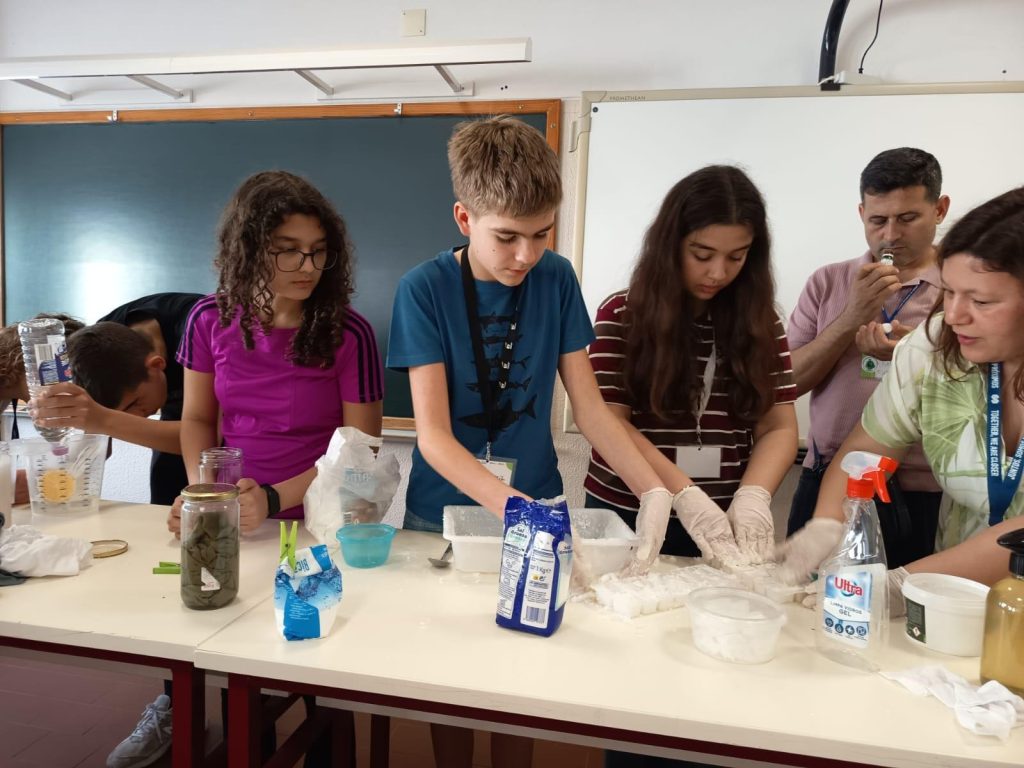
During the afternoon, workshops dedicated to the creation of eco-friendly products took place, including multi-purpose cleaning products, dishwasher tablets and reusable wipes. Participants also analysed the composition of various products through a digital application to identify the presence of microplastics. Additionally, river water samples and plants were observed under a telescope.
🕊️ 21st April – Cultural Visit to Fátima and the Renova Factory
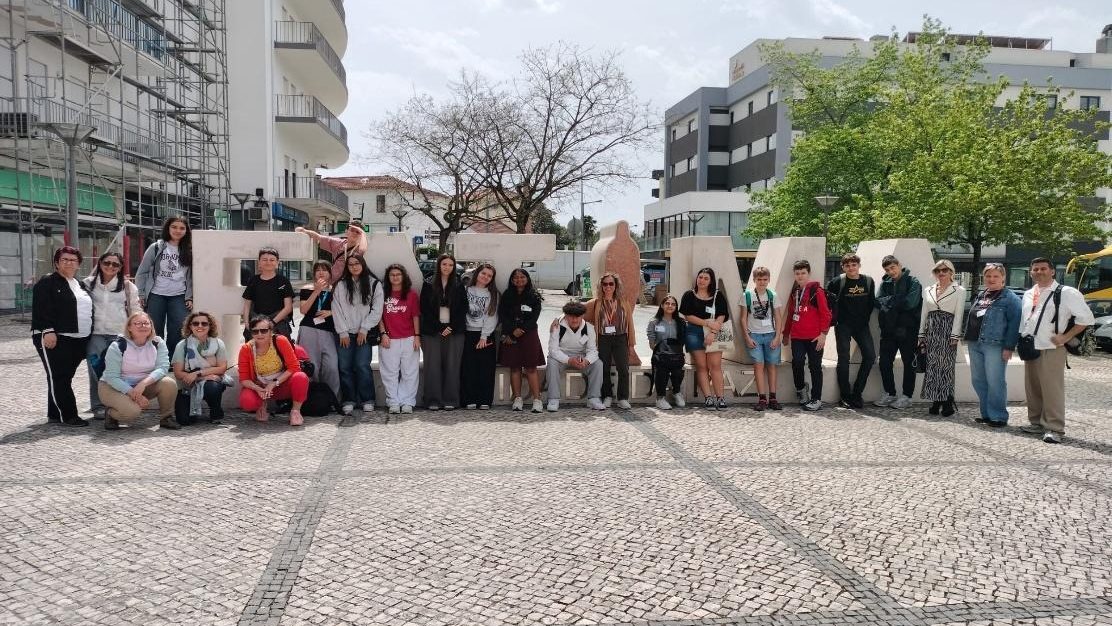
During the morning, we visited the Sanctuary of Fátima, a spiritual place and a reference to the Catholic Church due to the apparitions of our lady of Fátima. It was a moment of cultural sharing and discovery for our partners from Poland, Croatia and Türkiye.
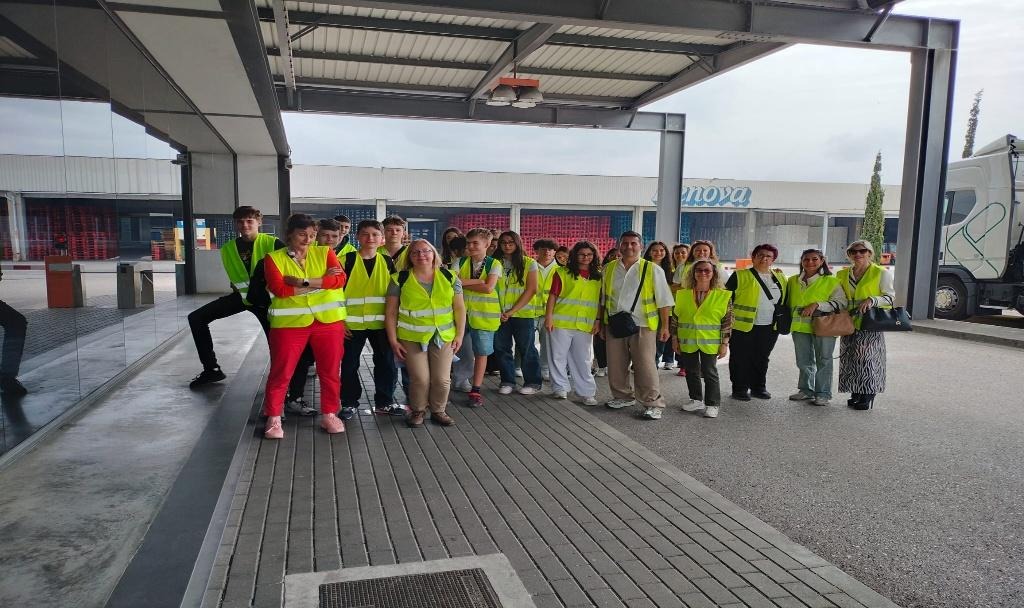
In the afternoon, we travelled to the Renova Factory, where we had the opportunity to learn about the production process of toilet paper, tissues and kitchen rolls. More importantly, our main goal was to explore the company’s sustainable practices.
Renova incorporates large amounts of recycled materials, both internal and external, into its production process, reducing waste and promoting the circular economy. The company also operates its own wastewater treatment plant, enabling water reuse, and invests in renewable energy sources such as solar panels, reducing its environmental footprint.
We also visited the site where the original factory was established and the source of the Almonda River, whose water has always been essential to the location and operation of the industry. This natural resource clearly demonstrates the importance of sustainable water management in industrial activities.
At the end of the visit, we explored the Renova shop, where our partners were surprised by the wide range of colourful toilet paper, an innovation that helped Renova stand out internationally.
It was a day full of learning, environmental awareness and inspiration for a more sustainable future, while also embracing cultural and spiritual dimensions.
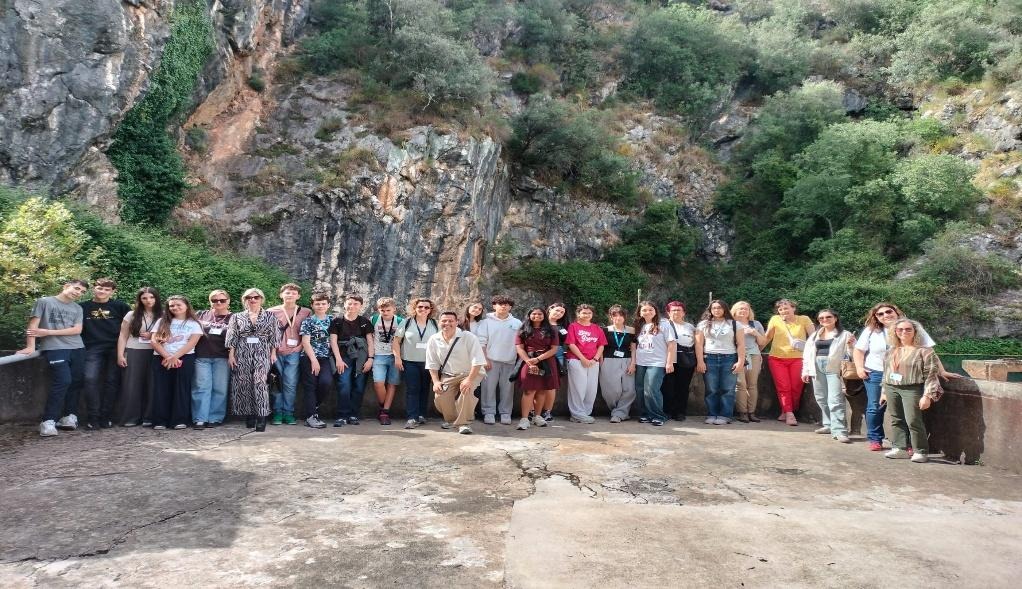
♻️ 22nd April – Visit to Valorsul and Cultural Visit to Sintra
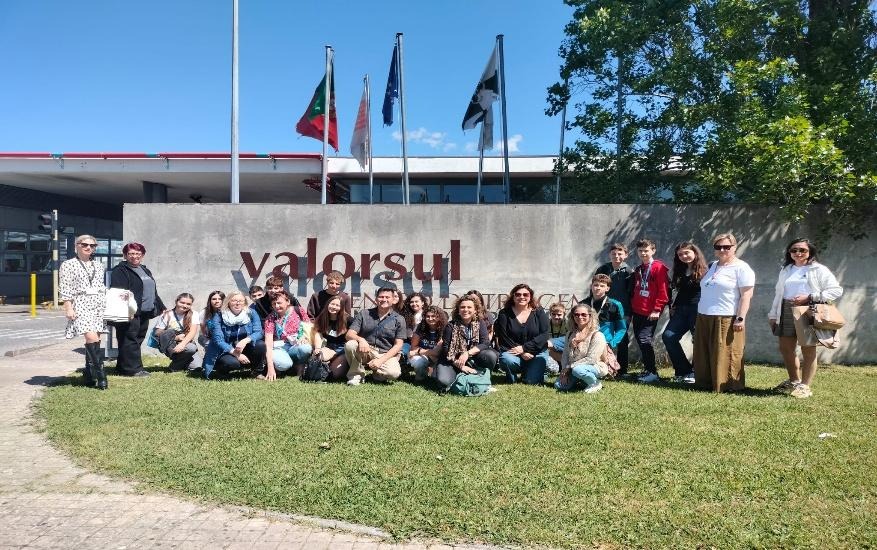
The morning began with a visit to the Valorsul Sorting Centre. Valorsul is responsible for the treatment and recovery of around 950,000 tonnes of urban waste produced annually across 19 municipalities in the Greater Lisbon and Western regions, serving approximately 1.6 million inhabitants.
The Sorting Centre receives recyclable materials collected through recycling bins and door-to-door collection systems, organised into three main streams: paper/cardboard, glass packaging and plastic/metal packaging.
At the Urban Solid Waste Treatment Plant, around 2,000 tonnes of waste enter daily and are incinerated at approximately 900°C in three furnaces, each capable of processing around 28 tonnes per hour, while simultaneously generating electricity. This process drastically reduces the volume of waste sent to landfill and transforms waste into an energy resource.
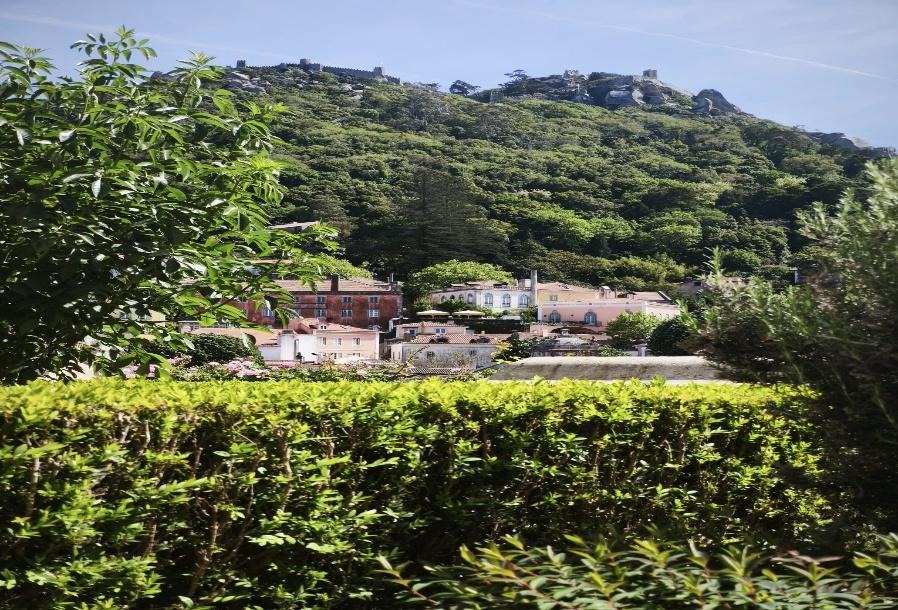
In the afternoon, we took our European partners to discover Sintra, a UNESCO World Heritage Site, renowned for its romantic palaces, lush gardens and breathtaking landscapes.
It was a day that successfully combined learning, environmental awareness and appreciation of our natural and cultural heritage.
🌊 23rd April – Movimento Claro NGO and D. Carlos I Sea Museum
During the morning, we visited the Torre neighbourhood in Cascais to learn more about the Movimento Claro Project, an association created with the mission of reducing the use of disposable plastic and raising awareness about ocean protection.
What started as a simple awareness initiative quickly grew into a project that now develops various environmental education activities, school projects, clean-up campaigns and circular economy initiatives, actively involving young people and the wider community in building a more sustainable future.
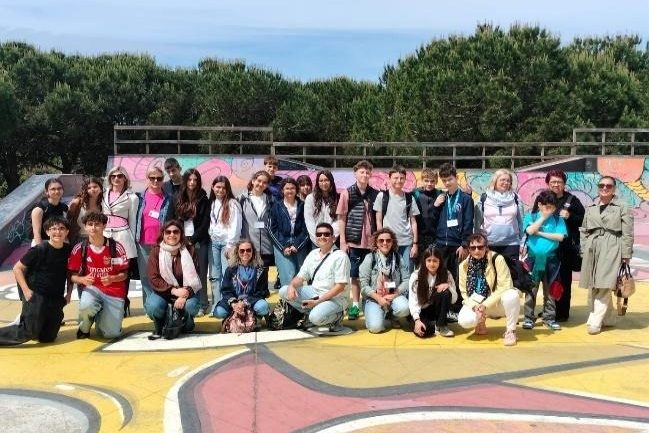
At “Torre Plastik”, where plastic is recycled and transformed into new objects, we saw how skateboards, table tennis bats, beach rackets and many other items are produced from recycled materials. Students listened to a short presentation about the project before having the opportunity to test some of the objects at the skate park. We also learned that the space is open to the community during the afternoons and offers skateboarding lessons. It was an inspiring and incredible morning, showing how environmental and social projects can truly make a difference.
In the afternoon, we visited the D. Carlos I Sea Museum, a museum dedicated to Portugal’s historic connection with the ocean. Throughout the visit, we explored exhibitions about marine life, fishing, biodiversity and maritime traditions, as well as the importance of preserving marine ecosystems. We also learned more about King Carlos I’s pioneering role in oceanography in Portugal, highlighting the importance of scientific research related to the oceans. This visit reinforced the significance of protecting marine ecosystems and promoting sustainable practices aligned with the goals of our project.
🎓 24th April – Reflection and Closure
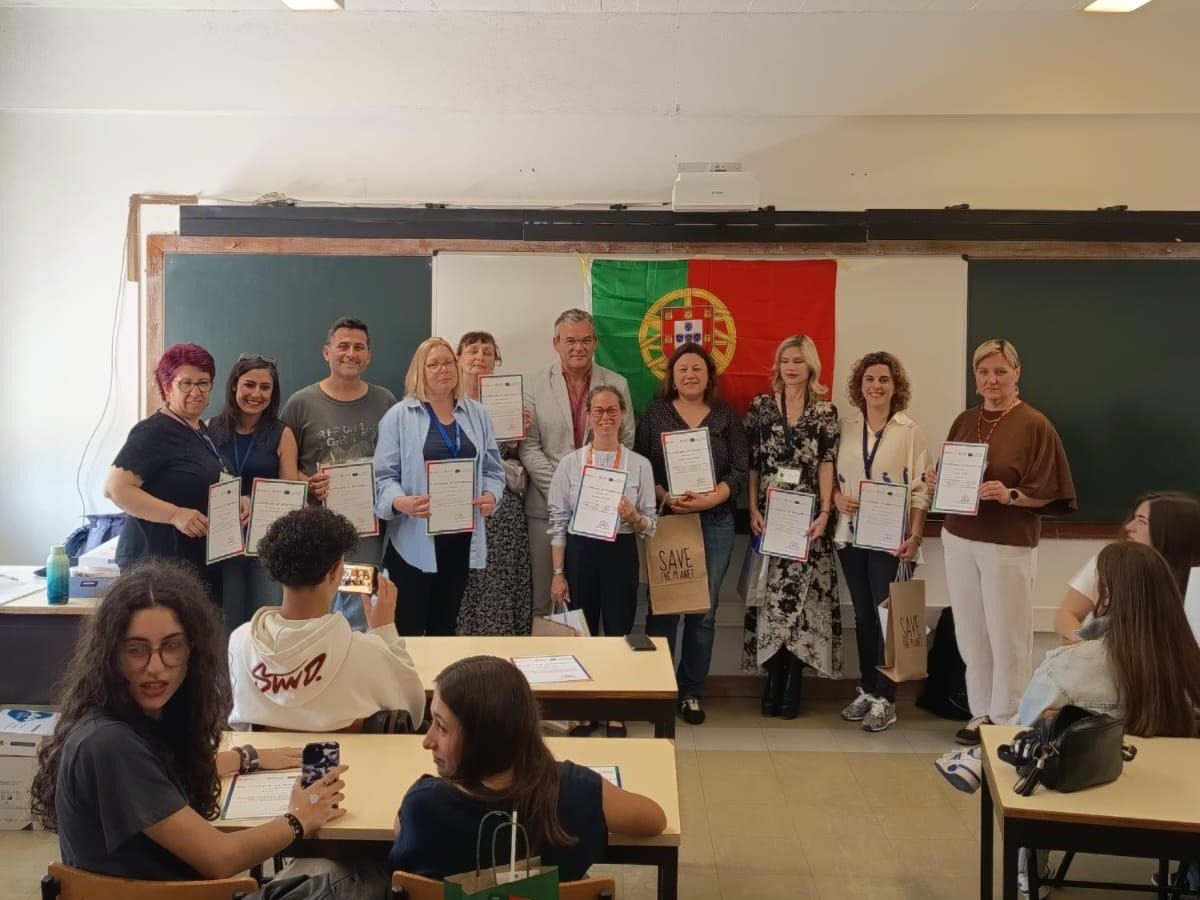
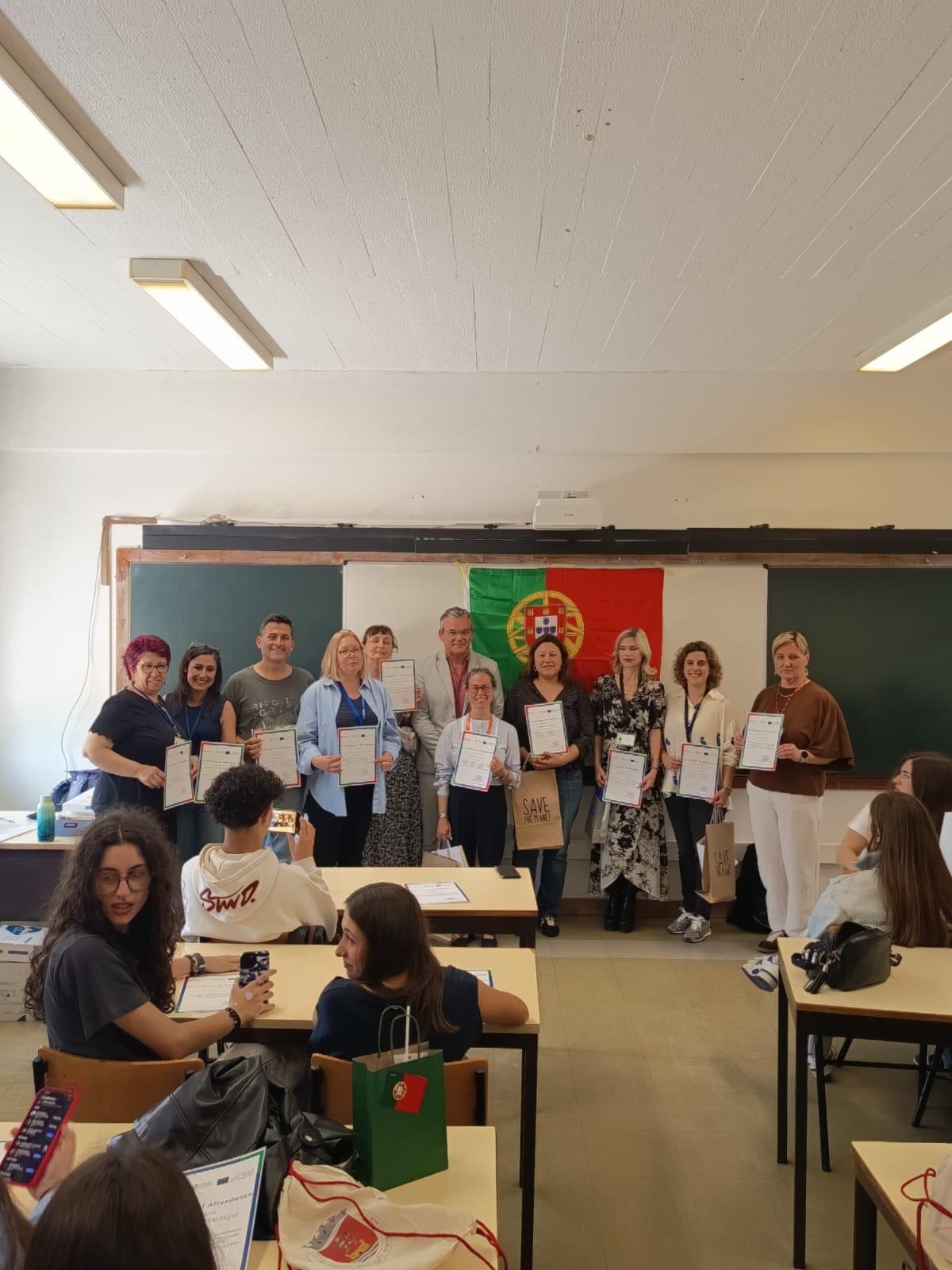
To conclude this unforgettable week, students created a mural reflecting all the activities carried out throughout the mobility, linking them to the concept of Sustainability and the Sustainable Development Goals. This collaborative work is now displayed at Padre José Rota School as a symbol of everyone’s commitment and learning. The closing session was marked by the delivering of certificates and the exchange of souvenirs among all participants, creating a moment of celebration, sharing and recognition.
Afterwards, our partners enjoyed a lunch kindly offered by the School Director at the main school building, served by students from the Vocational Tourism Course.
In conclusion, it was a week full of learning, new experiences and friendships that go beyond borders. The Portuguese students and partners students demonstrated desire to learn and participate in the different activities, and they also stood out for their teamwork and joy. We truly feel that our mission was accomplished, and that both our partners and their students left enriched by this mobility experience.